Naousa of Paros. The Jewel of the Island
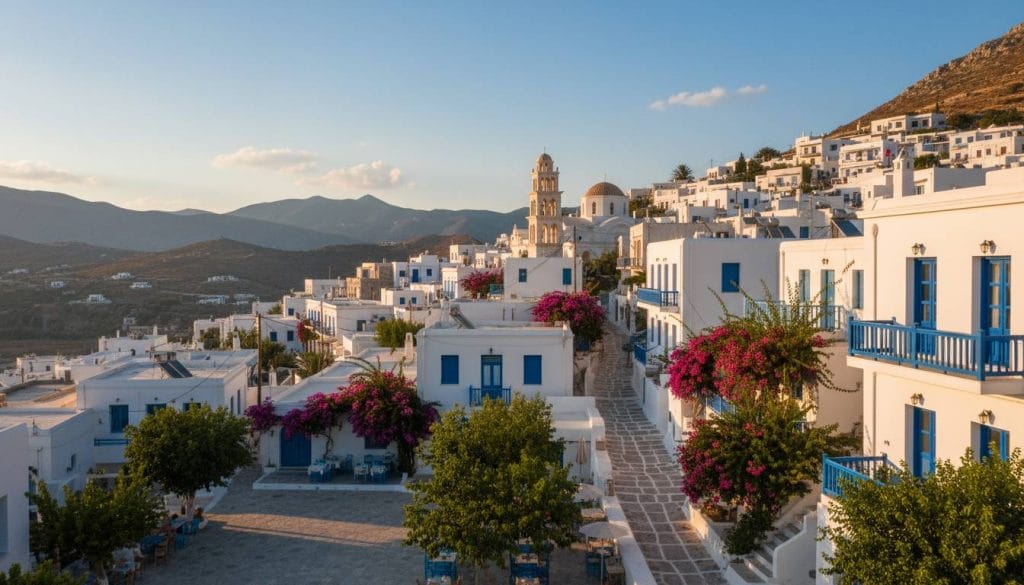
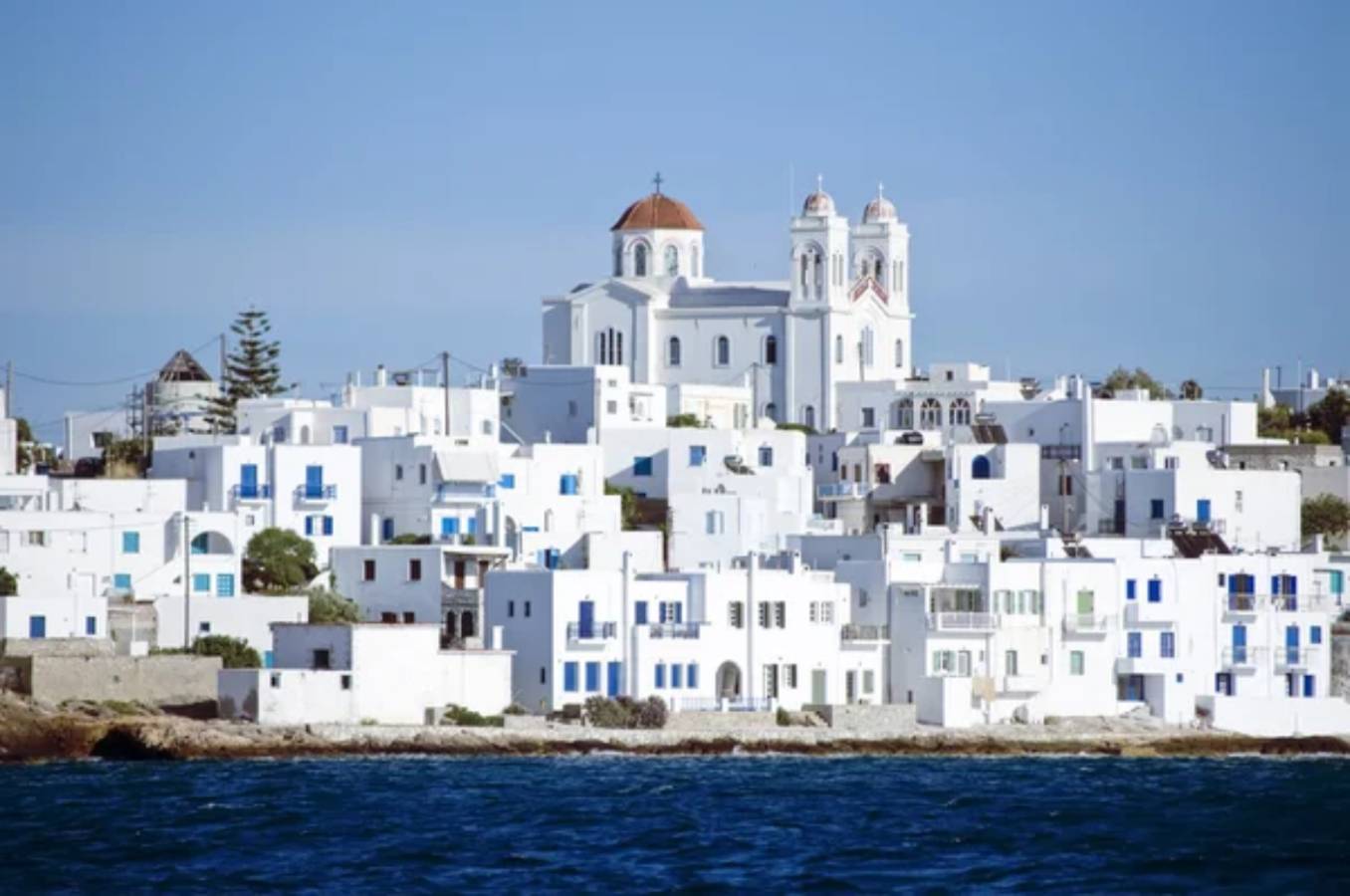
Naoussa Paros, with its picturesque alleys and Venetian castle, is the second most populated settlement of Paros. It is located on the northeastern side of the island, in the second largest bay, and lies 11 kilometers from Parikia. It is a popular tourist destination with a vibrant nightlife. Considered one of the most beautiful fishing villages in Greece, it has preserved its authentic character. The white Cycladic houses and narrow stone paved streets enchant visitors, while the serene atmosphere, blooming courtyards, and the endless blue of the Aegean offer a unique experience of deep relaxation and aesthetic pleasure. The harmony between tradition and modern tourism makes Naoussa special, with every corner telling stories of people, the sea, and eternal beauty. At sunset, the houses turn golden, creating a romantic atmosphere filled with sweet nostalgia that captivates the soul.
The Picturesque Harbor
Naoussa has a safe harbor for fishing and tourist boats. Its fishing fleet is one of the most significant and largest in the Cyclades. The old fishing port of Naoussa is one of the most beautiful corners of the Aegean. Renowned for its fishing tradition, it is mentioned in several songs. The little harbor is full of life: colorful boats, low flying seagulls, and tavern lights reflecting in the water create postcard like scenes and unforgettable memories. The scent of grilled octopus, the sounds of laughter, and the soft glow of lanterns compose a sensory celebration that repeats every night. Tables are spread almost atop the water, and the distant sound of music accompanies the waves. The entire scene resembles a theatrical performance, where roles naturally shift between locals, regulars, and wandering travelers seeking a bit of magic.
History
Naoussa Paros was built around the harbor during the Byzantine period and has played a significant role since the time of the Komnenos dynasty. It was fortified with a wall ending at the Venetian castle (Kasteli), parts of which still survive and are of great historical and archaeological interest. The castle was built by the Venetians, and nearby stands the church of Saint Nicholas, the patron saint of sailors and fishermen. The square is adorned by the Church of Panagia Pantanassa, while the hillside hosts the Church of the Dormition of the Virgin Mary, offering panoramic views and spiritual tranquility. The stone ruins recount stories of sieges, trade, and faith, with time seemingly leaving only the essence and memory of the place. Every step on the cobbled streets awakens images of battles, prayers, and seafaring ventures, as the pulse of centuries continues to echo silently through the village.


Sights
Around the area, there are several remarkable monasteries featuring elaborate iconostases, frescoes, and unique architectural styles. These include the historic Monastery of Saint Athanasios in Protoria Naoussa. Its renovated cells have been turned into a Byzantine museum showcasing wood carvings, sculptures from the Byzantine and Venetian periods, religious artifacts, and icons by Parian and Cretan iconographers from the 12th and 13th centuries. These rare collections bring the region’s spiritual journey to life and reveal the aesthetic and religious sensitivity of another era. The monastery stands like a sentinel of history, surrounded by cypress trees and the scent of incense, inviting visitors on a soul stirring journey. The stone thresholds, old door panels, and dim light filtering through small windows create an atmosphere of reverence and mysticism, where the past is not forgotten but deeply felt.
Folklore Museum
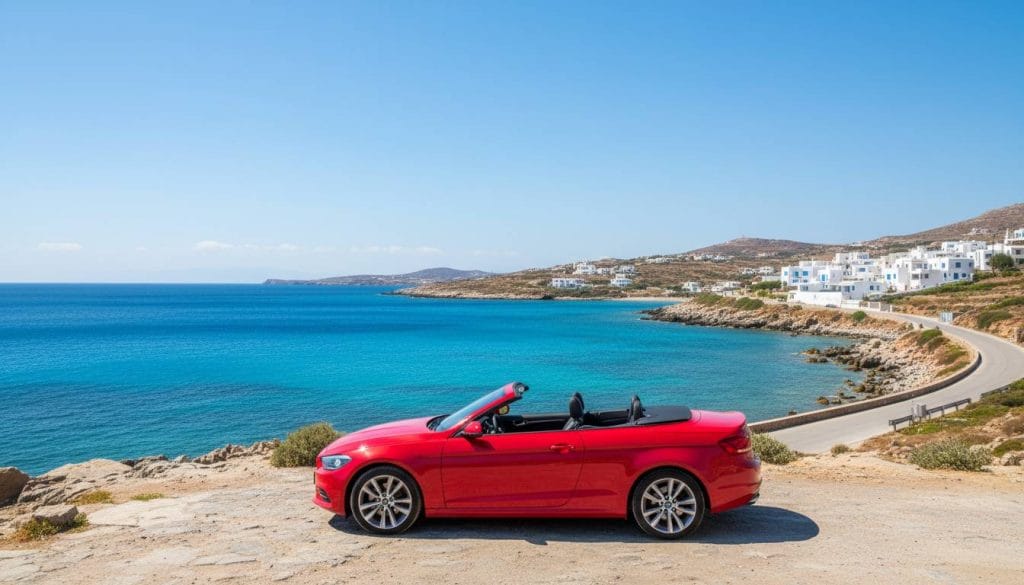
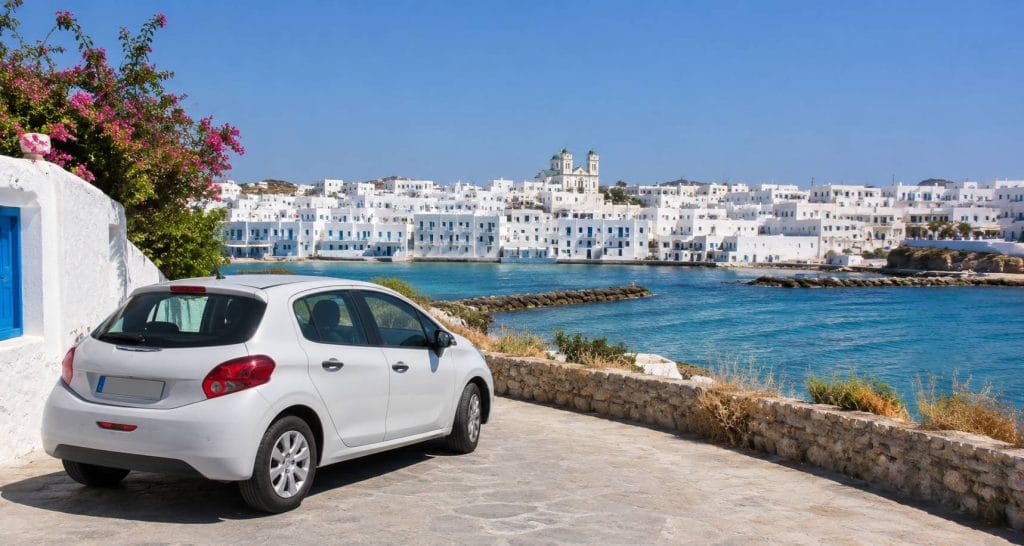
Naoussa’s Folklore Museum displays traditional male and female costumes not only from the Cyclades but also from various parts of the Hellenic world, collected by the Naoussa Paros Folkloric Dance Group. It also houses the folkloric collection of Dr. Othon Kaparis, who bequeathed a library, a rich photographic archive, and archaeological finds to the community. The space honors cultural memory and offers visitors a valuable journey into the past, full of tradition, history, and identity. Everyday objects, tools, documents, and photographs form a treasure trove that connects generations and keeps the local heritage alive. Unique handmade textiles, musical instruments, and domestic artifacts add color and depth to the exhibits, enriching the narrative of local life. The museum’s rooms feel like time machine stations, unfolding the lives of Parian people with authenticity, emotion, and respect, offering both valuable knowledge and a deep sense of national awareness and belonging. To see the sights of Naousa, Paros, a rental car is essential if you don’t have your own vehicle.
Decorative Arts and Iconography
Within the basilica, layers of frescoes span from the early Byzantine period through post‑Byzantine eras. Key subjects include scenes from the Dormition, portraits of early martyrs Cosmas and Damian, and iconostasis panels donated in the 18th century by Prince Nikolaos Mavrogenis, featuring silver‑plated icons of Christ and the Virgin Mary. These artworks demonstrate evolving theological themes and local devotional practices.
Fish Festival
The Fish and Wine Festival in Naoussa began in the 1970s by local fishermen and is now organized by the Municipality of Paros. This traditional event honors the sea and the land, typically taking place on the first Sunday of July, though other events may occur around this time. It includes free seafood and wine, along with music and dancing. The festival exudes authenticity and energy, highlighting the maritime identity of the region in a festive atmosphere filled with smiles and traditional sounds. Locals and visitors come together like a family, clinking glasses under colorful lanterns, as the night fills with songs, folk costumes, and dances that last until dawn, in an ambiance of deep joy and hospitality. The celebration also features storytelling, local delicacies prepared with age old recipes, and spontaneous singing that echoes through the cobblestone streets, making it a cherished tradition passed from generation to generation with pride and emotion.
The Festival of the Virgin Mary. Corsairs
On August 23, Naoussa celebrates the Festival of the Virgin Mary, its official feast, with grand festivities. Visitors on this day can watch or even participate in the Corsair Festival, commemorating the 1537 raid by Barbarossa. The event began in 1965 by a group of locals and has evolved into a spectacular reenactment. The celebration peaks with pirate landings, fireworks, theatrical performances, and revelry spreading through the alleys, filling the night with magic, memories, and maritime history. The harbor turns into a period stage, with pirates emerging from the sea amidst smoke and cries, staging an exciting theatrical interplay of fantasy and history. Spectators feel the action vividly, as torchlight flickers on smiling faces of all ages, in a night straight out of a fairytale.
Tsambouna Revival
The Revival of the Tsambouna is a festival held in July on Paros. The tsambouna is a traditional musical instrument producing a distinctive melodic sound and is closely linked to Cycladic musical tradition. The celebration features festivities, dancing, and musical events with an international flavor, attracting tradition enthusiasts from around the world. The event aims to preserve musical heritage, pass on the custom to younger generations, and offer an immersive experience of authentic island celebration. Simultaneously, workshops, discussions, and spontaneous feasts keep the thread of oral tradition alive in an atmosphere of collaboration, joy, and cultural exchange among people of different backgrounds and ages. The cobbled streets fill with music and rhythm, faces glow under the lantern light, and for a few days, Paros becomes a crossroads of cultures, where tradition is not merely reenacted, but lived and celebrated.
The Kapetaneika
Every year, around mid-September, a showcase regatta of traditional wooden sailing boats is held on the Cycladic island of Paros. The event is dedicated to the memory of architect Kostas Gouzelis, who lived and contributed to the island for over 40 years. At the end of the regatta, crowds gather at the boatyard of Agios Ioannis Detis, where a feast with live music and food follows. This event combines traditional seamanship, culture, and entertainment, offering unique moments of maritime atmosphere under the starry Cycladic sky. The captains are honored, their vessels shine in the evening light, and the music mixes with the sea breeze, evoking emotions among locals and travelers. The aroma of freshly fried fish and the creaking of wooden decks create a dialogue between the present and tradition, in a celebration that is not just a display, but a living memory and tribute to the island spirit. Discover every corner of Naoussa Paros easily, rent a car and explore the island at your own pace.
Kolymbithres Beach
Kolymbithres lies on the western side of Naoussa Bay and includes one of Paros’s most impressive and recognizable beaches. Rather than a single beach, it consists of numerous small sandy coves hidden among granite, vertical rock formations. Its name derives from the natural rock basins that resemble baptismal fonts. The area offers accommodations, restaurants, and water activities, while the view, rock formations, and nearby Mycenaean acropolis provide a landscape rich in history, nature, and distinctive energy. The waters are shallow, warm, and clear ideal for families, couples, or solo explorers. Every rock looks like a natural sculpture, and the sunlight playing on the surfaces creates mesmerizing reflections that calm the soul. The island’s public transportation to Naoussa is quite good, but to experience all of this, a rental car is necessary if you don’t have your own.
Lageri Beach
The hidden gem of Paros. An exotic, secluded beach on the northeastern edge of Naoussa Bay, near Santa Maria. With fine white sand, impressive sand dunes, cedar trees, and thick tamarisks, it’s an ideal destination for nature lovers and those seeking relaxation far from crowded and organized beaches. There are no tourist facilities, so preparation is essential. Access is via a dirt road or hiking, offering an experience of isolation, peace, and contact with the authentic nature of the Cyclades. The sound of the waves and the gentle rustling of the tamarisks create a natural melody accompanying the visitor. In the afternoon, the sky takes on peach tones, the shadows stretch gently, and a sense of freedom fills the body and soul with rare, almost poetic serenity. If you want a complete overview of Paros, its villages, beaches, culture and everyday life, continue with our full Paros Cyclades island guide.