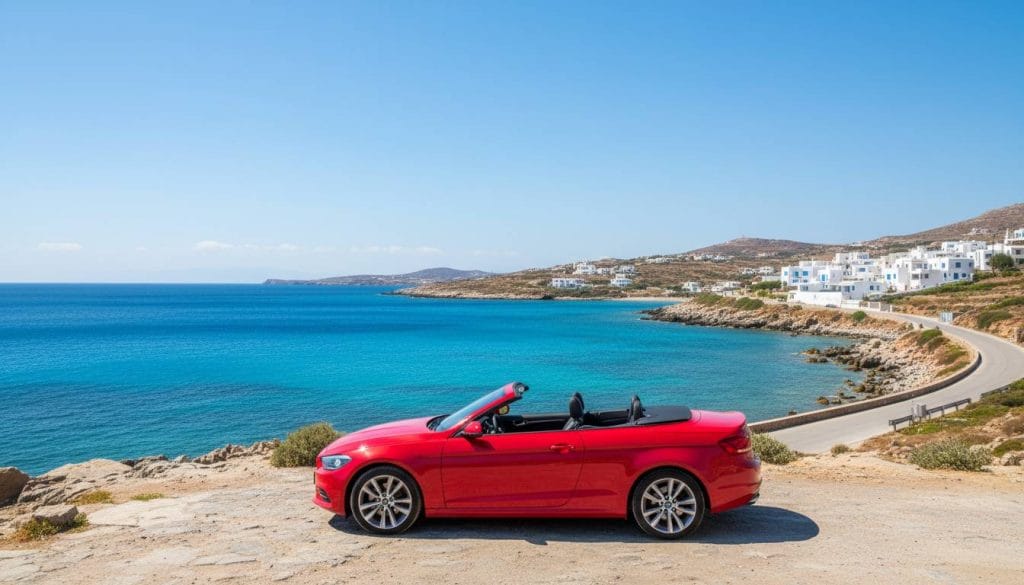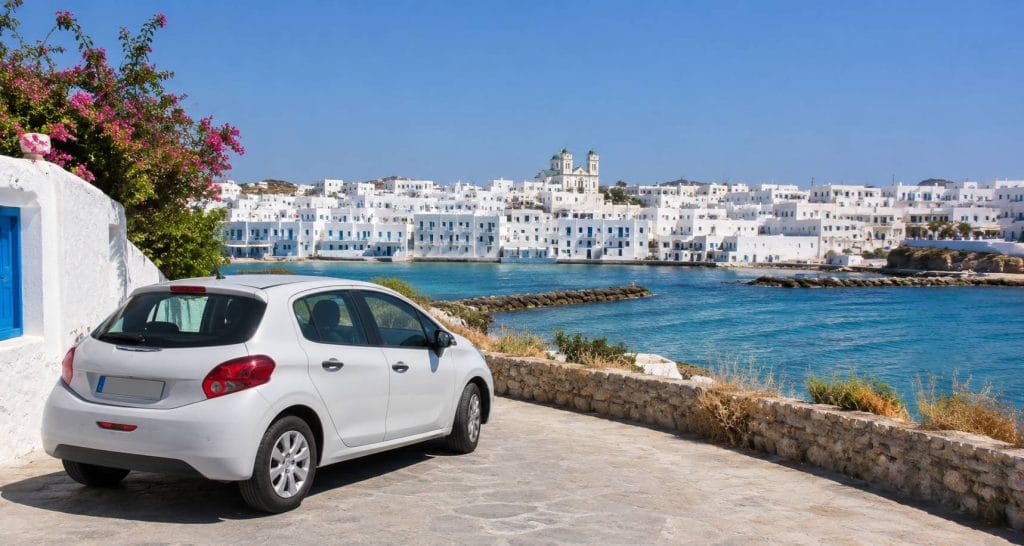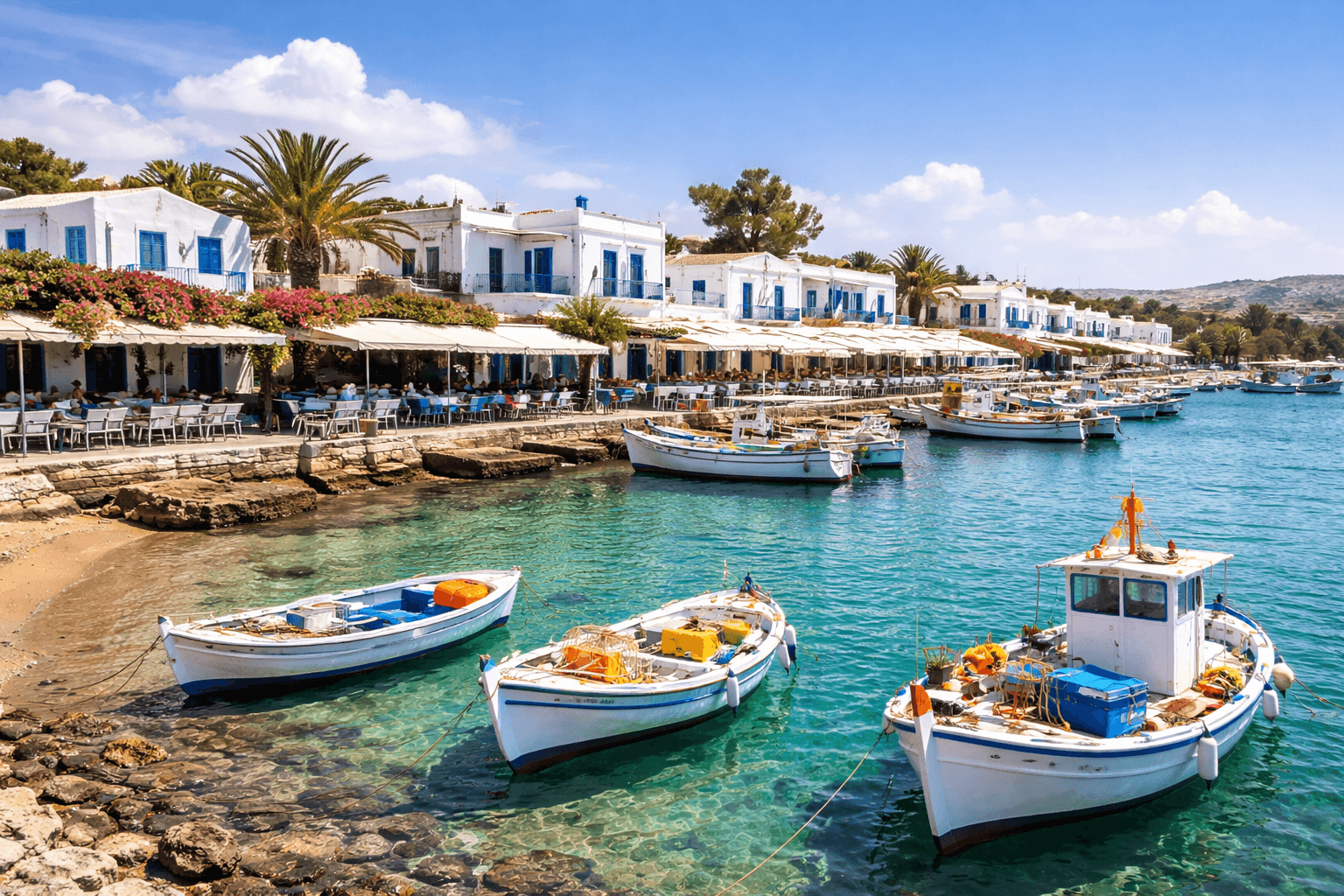
Paros: One of the largest and most diverse islands of the Cyclades
Paros is one of the largest and most popular islands in the Cyclades, offering a wide range of experiences but also making transportation challenging for those without their own vehicle. The island’s geomorphology, the long distances between villages, and its numerous beaches create ideal conditions for exploration, yet require proper planning. Additionally, Paros features striking contrasts in its landscape, blending traditional architecture, modern tourist hubs, and untouched natural areas that many visitors never get to see. Beyond the well-known urban centers, dozens of small settlements and natural routes lie far from the main areas, making bus access often difficult or time-consuming. At the same time, the variety of landscapes, mountain villages, coastal stretches, secluded bays, invites travelers to explore further. Thus, the question “bus or car?” becomes central for anyone who wants to truly discover Paros and not just its most basic points of interest.
Public transportation: Useful but limited
Paros’ buses operate on organized routes, mainly connecting popular spots such as Parikia, Naoussa, Lefkes, and Piso Livadi. However, public transport does not cover all hours of the day nor all areas of the island, especially remote villages or lesser-known beaches. Midday schedules become noticeably sparse, and after sunset many routes stop entirely, leaving travelers without realistic return options. During the high season, buses often become crowded, reducing comfort and making it difficult for families or visitors carrying beach equipment. Moreover, the routes are designed primarily for essential mobility rather than leisurely exploration, meaning travelers may need to adjust their plans to rigid timetables instead of enjoying the island at their own pace. While public transportation is useful for basic movements, it rarely offers the flexibility, spontaneity, and convenience required to fully experience everything Paros has to offer.
Distant villages that require a car
Villages such as Prodromos, Marpissa, Lefkes, Kostos, and Aspro Chorio are beautiful traditional settlements but are located far from the island’s main hubs. Bus routes often pass only a few times a day and not always consistently, especially outside the peak tourist season. In many cases, the bus stops are situated on the outskirts of the villages, requiring visitors to walk long distances under the sun. For travelers who want to explore these areas without time pressure, having a car becomes almost essential. Renting a vehicle is often the only reliable solution for comfortably reaching these charming spots. Moreover, the scenic routes leading to these villages offer panoramic views, windmills, and stretches of countryside that invite spontaneous stops and photographs, experiences that are difficult to enjoy when relying on fixed bus schedules.
Beaches that without a car… remain out of reach
Paros offers dozens of beaches, many of which are realistically accessible only by car or scooter. Spots like Faragas, Molos, Tsoukalia, Kalogeros, Aliki, Agios Ioannis Detis, the back side of Santa Maria, and several smaller hidden coves are not served by buses at all. In many cases, access roads are dirt tracks or narrow paths that require a private vehicle, making public transport impractical. Travelers seeking quieter, more authentic coastal experiences quickly realize that a car gives them the freedom to reach untouched shorelines far from the crowded tourist zones. With a vehicle, they can explore beaches based on wind conditions, discover serene bays ideal for swimming, and enjoy the island’s natural beauty at their own pace, something impossible to achieve when confined to the limited reach of the bus network.
The need for flexibility during holidays
Holidays should not be restricted by fixed bus schedules. Having a car means organizing your day exactly as you wish, leaving early for a morning walk in Lefkes, stopping for photos whenever the view inspires you, or choosing a beach based on wind conditions. This flexibility allows travelers to adapt their plans to the weather and their mood. It also encourages spontaneous discoveries, such as a quiet cove or a scenic overlook that appears unexpectedly along the way. With a car, every day feels more open, relaxed, and tailored to the traveler’s personal rhythm. It also gives visitors the freedom to change course at any moment, explore lesser-known roads, visit local tavernas off the tourist map, or simply enjoy slow drives through the countryside without worrying about time. This sense of autonomy adds depth and richness to the entire travel experience.
Economic comparison: What is actually more cost-effective?
Although buses may initially appear to be the more economical choice, the reality is often different. On trips involving long distances and frequent movement, the cost of multiple tickets and the time lost waiting for connections can significantly increase the overall “price” of relying solely on public transport. Moreover, when travelers wish to visit more than two locations in a single day, or combine beaches with villages, the bus network rarely supports such flexibility. Crowding during peak season can also make the experience less comfortable and more exhausting. By contrast, renting a car often proves more cost-effective, especially when the cost is shared among two or more people, offering comfort, time efficiency, and complete freedom of movement. Additionally, having a vehicle allows for spontaneous detours or unplanned stops, which adds value to the trip in ways that cannot easily be measured in money alone.
Local rental companies: The experience that makes the difference
Local rental companies know the island, the roads, the distances, and the places truly worth visiting. One of them is Acecarsparos, a business that understands travelers’ needs and offers suitable vehicles for every route in Paros. The personal contact, practical tips for villages and beaches, and immediate support when needed make the experience much more pleasant compared to large, impersonal chains. Local companies also operate with genuine interest for visitors, offering guidance on safe routes, parking spots, and ideal visiting times.
Acecarsparos stands out for its flexibility, providing fast service and vehicle options suitable for every type of traveler, from families to couples or groups seeking comfort and reliability during their holidays. Beyond vehicle quality, the company’s team shares insider knowledge about hidden spots, scenic drives, and lesser-known locations that enhance the visitor’s overall experience. Their attentive approach helps travelers feel supported throughout their stay, ensuring peace of mind and a smoother, more enjoyable exploration of the island.
Safety and comfort while getting around
Although the roads in Paros are generally well maintained, they include narrow turns, unlit sections, and routes that require increased attention, especially during nighttime. Driving on rural or coastal roads demands focus, as there are often sharp bends, sudden slopes, or intersections with limited visibility. During the summer months, traffic rises considerably, making parking in popular areas more challenging. With a reliable vehicle, travelers enjoy a greater sense of security and comfort, having full control over their pace and route. They can avoid peak hours, access quieter or lesser-known areas more easily, and adapt their itinerary depending on wind conditions or traffic levels. Furthermore, a private vehicle reduces the stress of navigating crowded bus stops or relying on strict timetables, allowing visitors to experience the island more calmly and efficiently.
An experience without limitations: The car as the “key” to exploration
Paros hides many gems beyond the main bus routes, small settlements, monasteries, chapels, windmills, hiking paths, and untouched beaches that are accessible only by car. Having a private vehicle allows travelers to experience an authentic side of the island often missed by those relying solely on public transport. With a car, one can stop spontaneously at scenic viewpoints, wander through lesser-known alleys, or follow secondary roads leading to peaceful coves. This freedom transforms a simple holiday into a richer and more personal journey. It also encourages a sense of discovery, as visitors can linger in spots that capture their interest rather than being constrained by bus schedules. Ultimately, a car opens the door to a deeper connection with the island, revealing corners of Paros that remain invisible to the average traveler.
In Paros, the car is the best choice
The island’s large size, its dispersed settlements, the limited public transport options, and the many unique beaches not served by buses all lead to the same conclusion for most visitors: having a car is the most comfortable and efficient way to truly explore Paros. With your own vehicle, you control your time, your stops, and your routes, creating an itinerary that aligns with your interests and holiday rhythm. You can combine villages and beaches in a single day, reach places that buses never approach, and escape the crowds whenever you desire a quieter experience. Additionally, a car allows early-morning or late-night outings, times when the island reveals some of its most enchanting moments. For families, couples, or groups, convenient transportation often becomes a decisive factor in making the most of their vacation. In an island where each region has its own character and distances are often longer than they appear on the map, choosing a car unlocks a world of experiences that would otherwise remain undiscovered, enriching the trip far beyond the typical tourist routes.
If you’re leaning towards renting a car as the most practical way to explore Paros, the next step is choosing the right vehicle. Find out which type of car best fits your needs and travel style for a comfortable and stress-free experience.