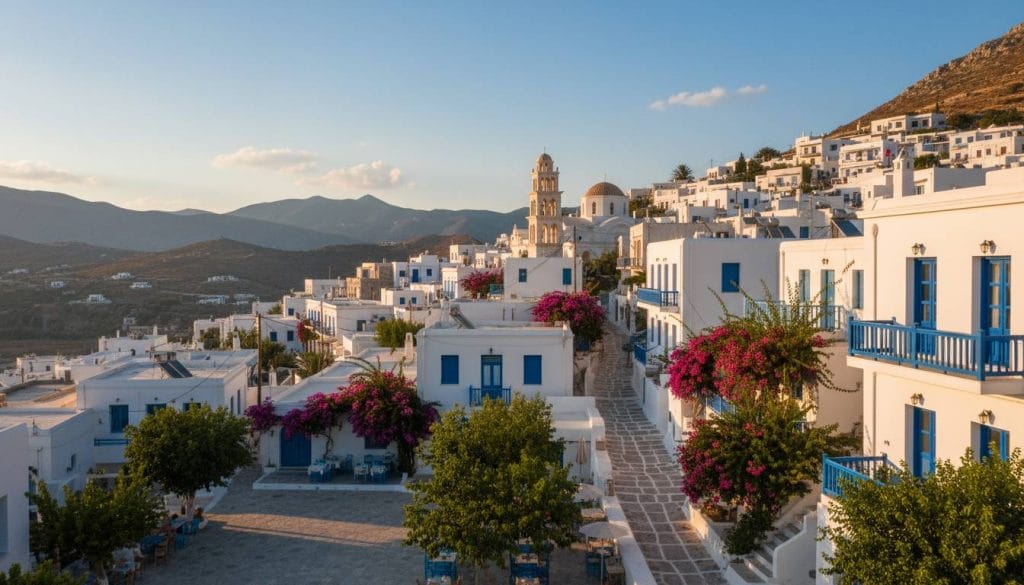
The Venetian Castle Ruins of Parikia, Paros
Perched above the whitewashed houses of Parikia, the ruins of the Venetian Castle stand as a testament to Paros’s turbulent medieval past. Constructed in 1260 by Marco Sanudo the Venetian Duke of Naxos the castle once formed part of the Duchy of the Archipelago’s defensive network, guarding against pirate raids and rival powers.
Historical Origins
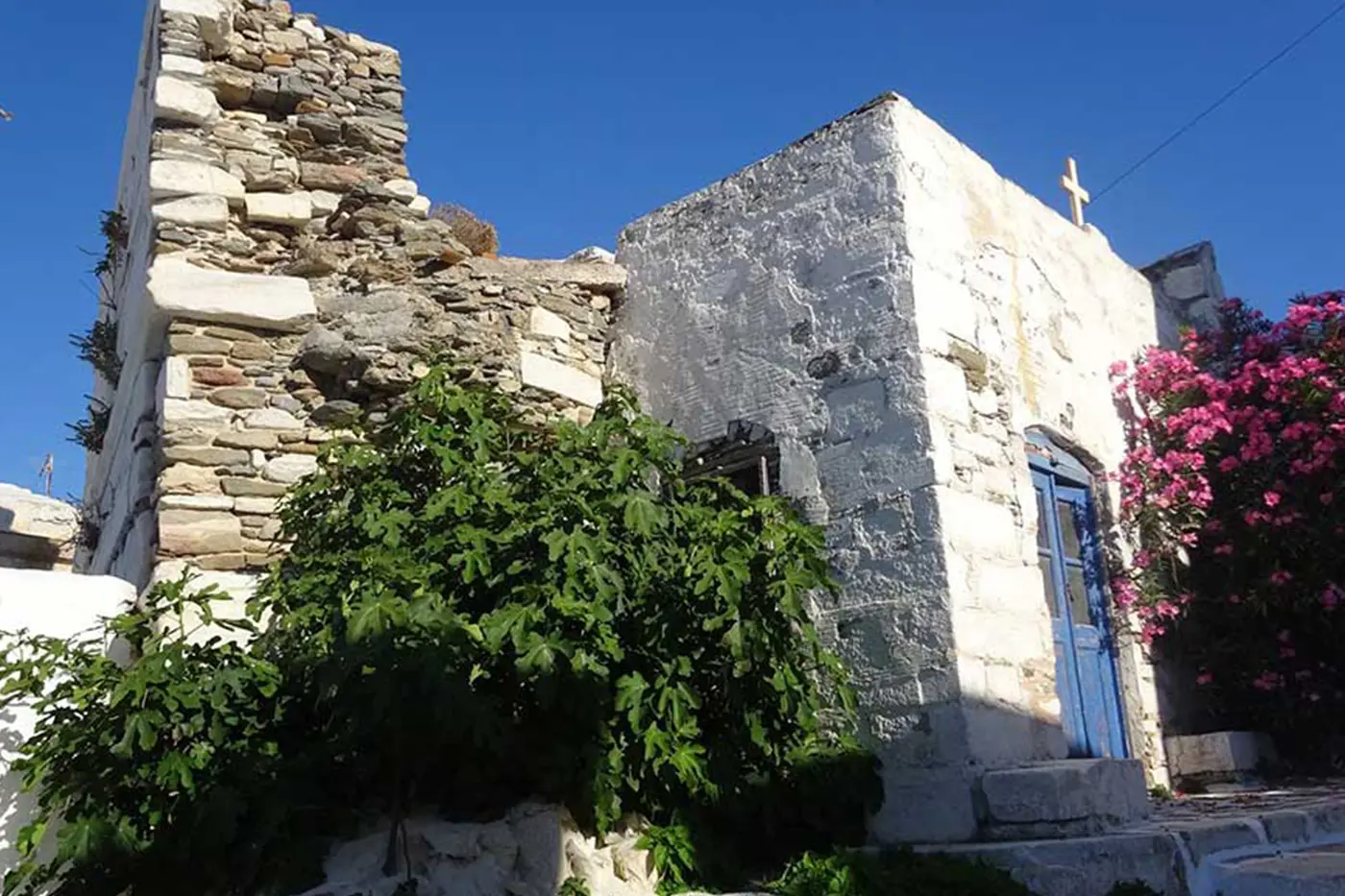
In the wake of the Fourth Crusade (1204 AD), Venetian adventurer Marco Sanudo carved out his own duchy in the Cyclades. Around 1260, he ordered the construction of a fortress on Paros’s main island capital, Parikia. Utilizing the hill’s natural elevation, builders laid out a perimeter wall that enclosed both defensive towers and living quarters. Though most walls have crumbled, sections of the southern and eastern ramparts still stand, outlining the castle’s original footprint.
Use of Spolia and Architectural Features
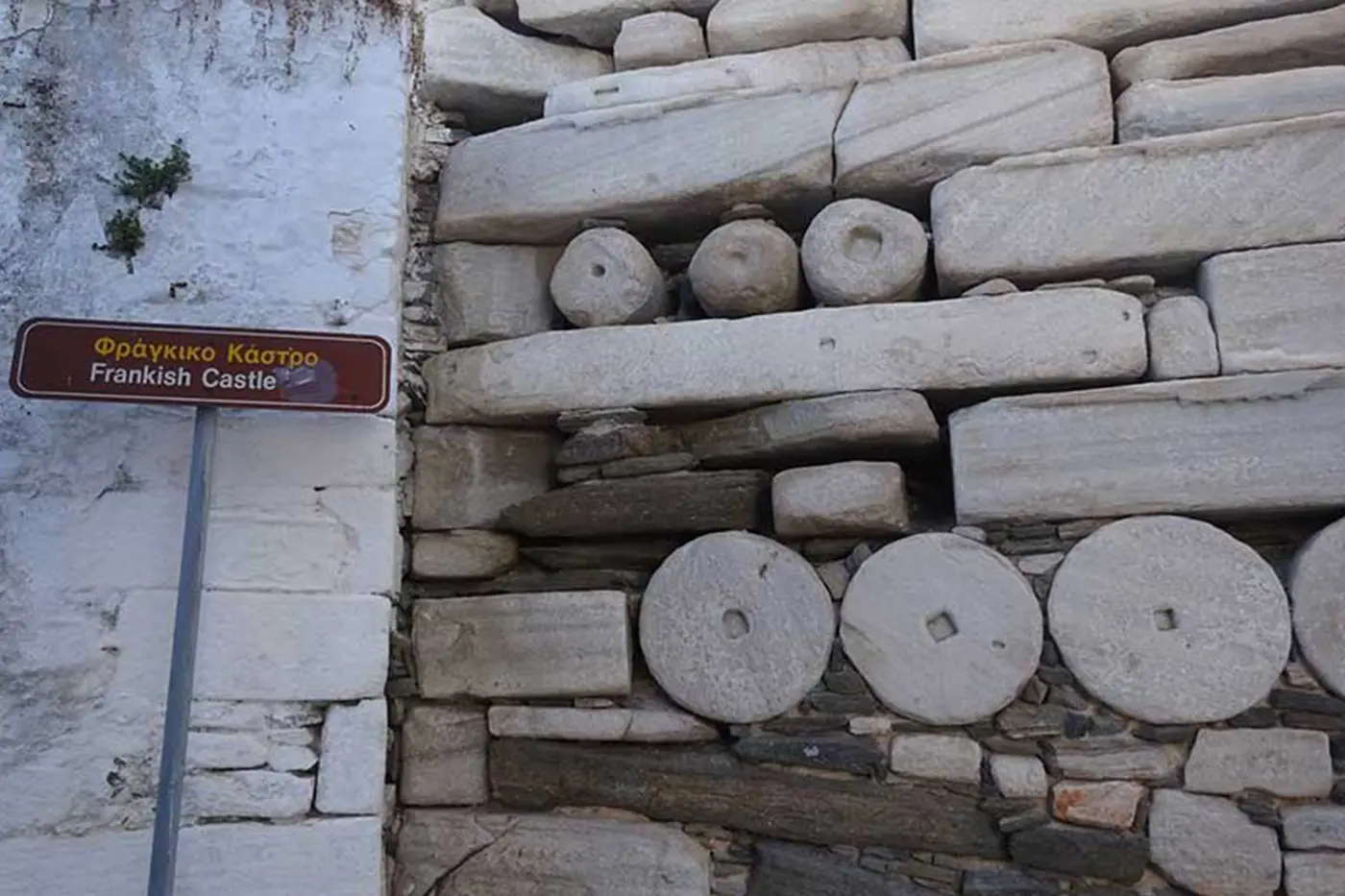
The Venetians repurposed marble blocks, columns and reliefs from ancient temples scattered across Paros. This practice known as spolia provided ready made building materials and underscored the castle’s link to the island’s classical heritage. Within the walls, you can still spot Doric column drums, fluted architrave fragments and carved moldings embedded in later medieval masonry.
Key features include:
Key features include:
- Central Cylindrical Tower: The best preserved element, rising nearly intact, once served as a watchtower and strongpoint.
- Perimeter Walls: Remnants define a roughly triangular enclosure, originally pierced by arrow slits and battlements.
- Built‑in Temple Fragments: Look closely to identify Hellenistic capitals and entablature sections reused as wall reinforcements.
Defensive Role & Military History
Throughout the 13th–16th centuries, the castle protected Parikia’s harbor from corsair raids and Ottoman incursions. Its elevated position offered sweeping views of Paros Bay and the Aegean Sea, enabling early warning of approaching ships. Although the Duchy of Naxos fell to the Ottomans in the mid 16th century, the fortress remained a focal point for local defense and later served as a refuge for islanders during periods of unrest.
Decline & Later Modifications
With the decline of Venetian power and the rise of Ottoman control, maintenance of the fortress waned. Earthquakes and neglect led to partial collapse of the northern and western walls, leaving only the southern and eastern sections visible today. During Ottoman rule, local inhabitants settled within the surviving ramparts for protection an echo of the castle’s original purpose.
Archaeological Investigations
Recent archaeological surveys have mapped the remaining structures and documented the spolia in situ. Scholars note that some fragments originated from a 6th century BC temple, indicating that the Venetian builders drew extensively on Paros’s classical monuments. Ongoing studies aim to better understand the sequence of construction, reuse and collapse phases.
Visiting the Ruins Today
- Access: Reachable via narrow pedestrian lanes from Parikia’s old town. The walk involves a short, steep climb but rewards visitors with panoramic views.
- What You’ll See:
- The cylindrical tower (sometimes called “Frankish tower”) with its embedded marble fragments.
- Sections of perimeter wall, revealing masonry techniques and medieval repairs.
- Panoramic vistas of Parikia harbor, Paros Bay and the surrounding Cycladic landscape.
- Visitor Tips: Wear sturdy shoes much of the site is uneven. Visit at sunset for dramatic light on the white walls and marble insets.
Cultural Significance
More than a ruin, the Venetian Castle embodies Paros’s layered history from ancient marble‑quarrying heyday to medieval maritime duchy, and onward through Ottoman rule to the modern Greek state. It stands as a visible “palimpsest,” where every stone tells a story of conquest, adaptation and survival.
Further Exploration Nearby
After visiting the castle remains, wander Parikia’s maze of Cycladic alleys to discover:
- Panagia Ekatontapyliani: The famed Church of 100 Doors just below the castle hill.
- Paros Archaeological Museum: Home to classical marble sculpture, including spolia pieces akin to those in the castle walls.
- Harborfront Cafés: Relax with a drink overlooking the very bay the castle once defended.
Further Exploration Nearby
After visiting the castle remains, wander Parikia’s maze of Cycladic alleys to discover:
- Panagia Ekatontapyliani: The famed Church of 100 Doors just below the castle hill.
- Paros Archaeological Museum: Home to classical marble sculpture, including spolia pieces akin to those in the castle walls.
- Harborfront Cafés: Relax with a drink overlooking the very bay the castle once defended.
By tracing the weathered stones and reclaimed temple fragments of the Venetian Castle Ruins, visitors connect with over two millennia of Paros’s rich past where every crack in the marble speaks of shifting empires, resilient local communities and the enduring beauty of Cycladic architecture.