Panagia Ekatontapyliani, Paros
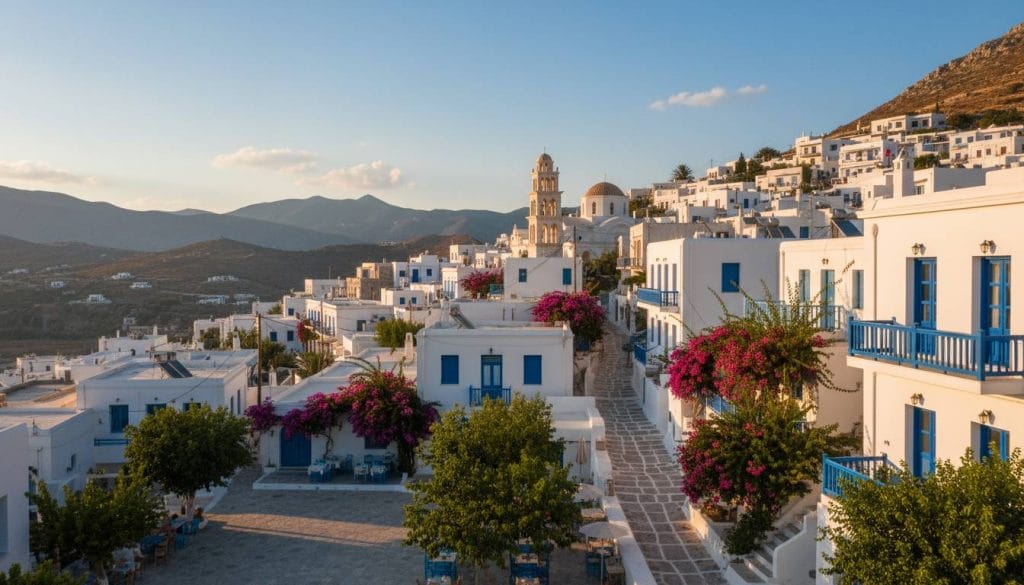
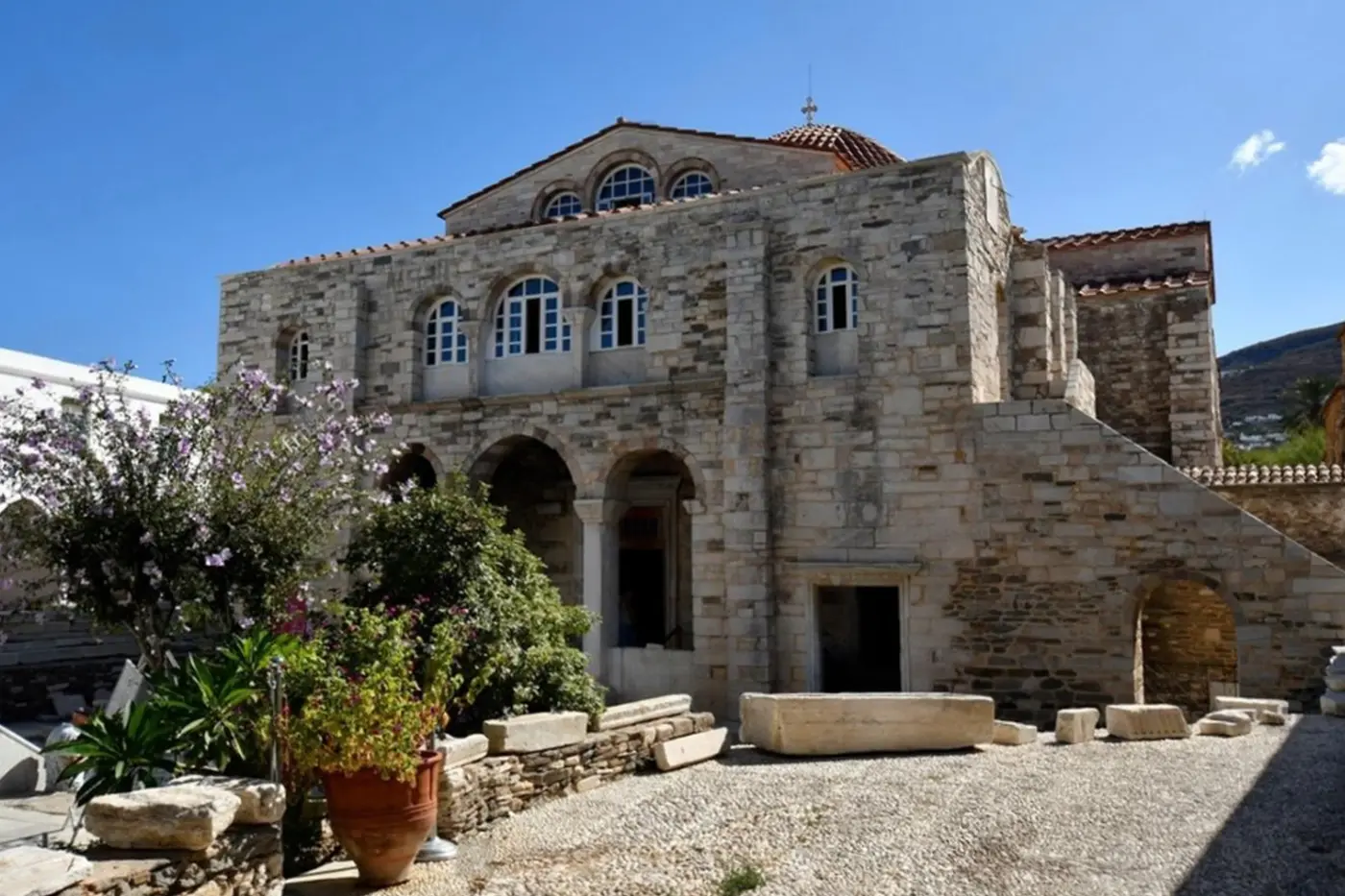
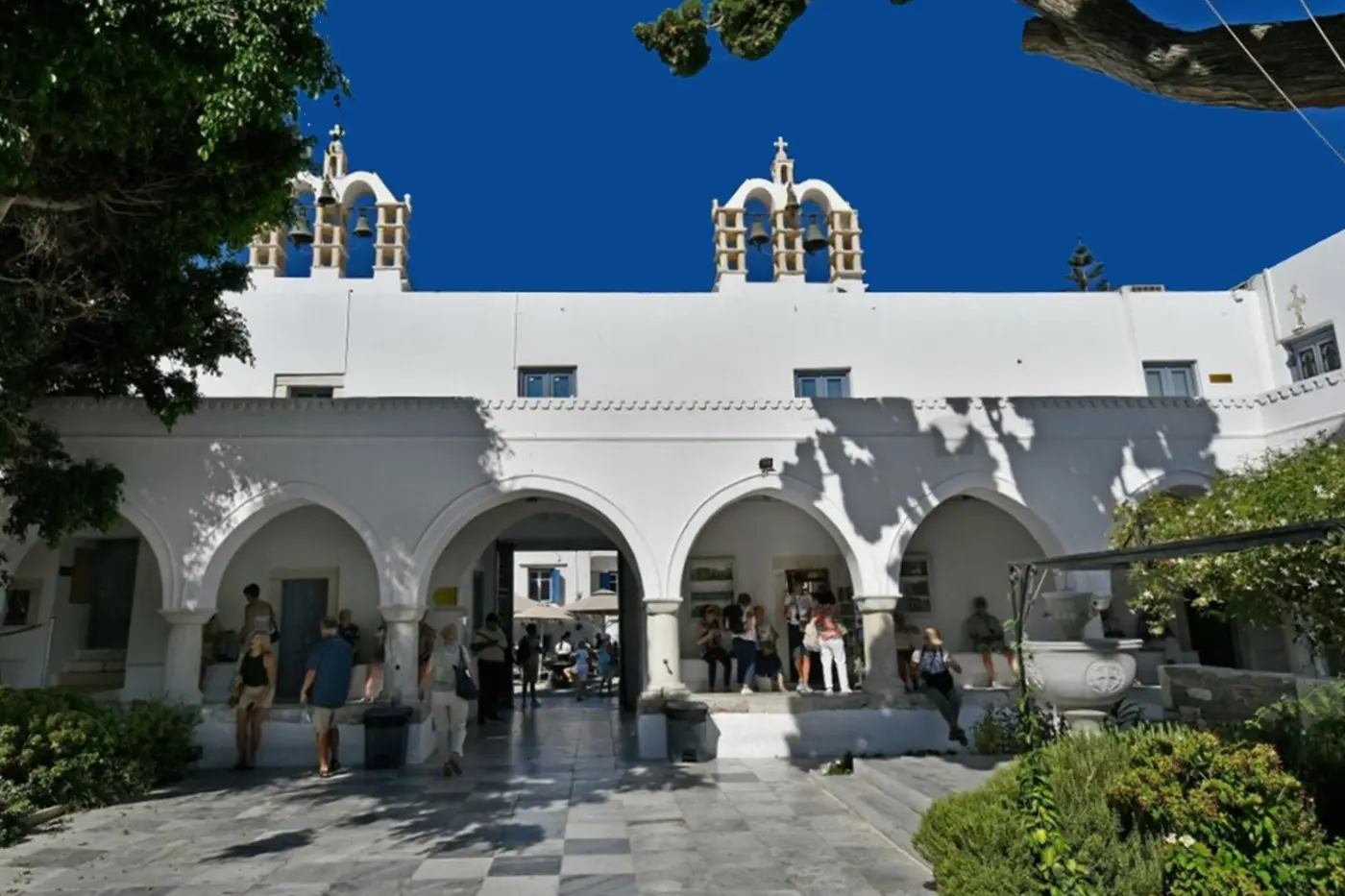
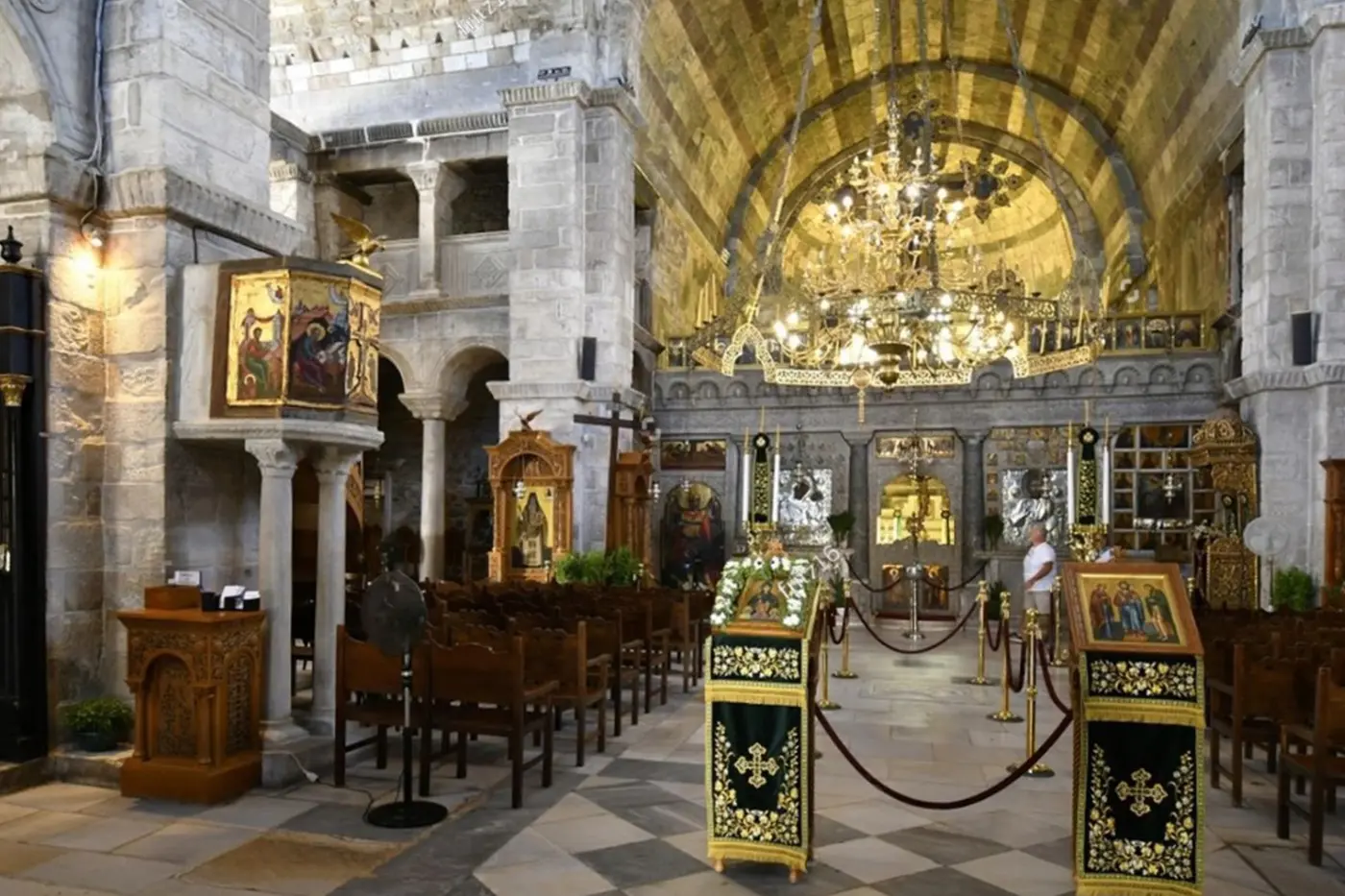
Panagia Ekatontapyliani, often called the “Church of One Hundred Gates,” stands on the seafront of Paroikia, the capital of Paros. As one of the oldest and best‑preserved early Christian monuments in Greece, it occupies a central place in Cycladic religious and cultural life. The complex comprises a main cruciform basilica, two subsidiary chapels, a remarkably intact 4th‑century baptistery, and ancillary buildings including a small museum.
Origins and Founding by Saint Helena
According to tradition, the first chapel on this site was erected around 326 AD by Saint Helena, mother of Emperor Constantine the Great, during her pilgrimage to the Holy Land. Helena is said to have been shipwrecked off Paros and, in gratitude for her safe landing, founded a small church dedicated to the Dormition of the Virgin Mary. Archaeological investigation confirms 4th‑century masonry beneath later construction phases, making it one of the earliest Christian worship sites in the Aegean.
Name and Etymology
Despite its nickname, Panagia Ekatontapyliani does not possess one hundred doors. Scholars believe “Ekatontapyliani” is a linguistic corruption of “Katapoliani,” meaning “Lower‑Town Church,” referring to its position by the sea in the lower quarter of Paroikia. Over time, the folk etymology of “one hundred gates” became attached to the name, lending the church its popular epithet.
6th Century Justinian Reconstruction
During the reign of Emperor Justinian I (527–565 AD), the original wooden‑roofed basilica was extensively rebuilt. The wooden trusses were replaced with stone barrel and cross vaults, and a central dome was added, transforming the three aisled plan into a cruciform layout topped by an octagonal lantern. Reused marble columns and capitals from earlier Hellenistic and Roman structures were incorporated a practice known as spolia underscoring the church’s ties to antiquity.
Architectural Complex and Layout
The present complex includes:
- Main Basilica: A cruciform hall church with a dome and marble-clad walls.
- Baptistery: To the south, an exceptionally well preserved 4th‑century baptistery with a cruciform marble font Europe’s oldest intact Christian baptistery.
- Chapel of St. Nicholas: Likely the original 4th‑century chapel observed by Saint Helena.
- Chapel of Agia Theodosia and St. Demetrios: Two small chapels adjoining the main church to the northeast.
- Museum & Pilgrim Hostel: A U‑shaped residence and museum north of the baptistery once housed clergy and visiting worshippers
Decorative Arts and Iconography
Within the basilica, layers of frescoes span from the early Byzantine period through post‑Byzantine eras. Key subjects include scenes from the Dormition, portraits of early martyrs Cosmas and Damian, and iconostasis panels donated in the 18th century by Prince Nikolaos Mavrogenis, featuring silver‑plated icons of Christ and the Virgin Mary. These artworks demonstrate evolving theological themes and local devotional practices.
Liturgical Tradition and Festivities
Panagia Ekatontapyliani remains an active parish church. Each August 15th, the Feast of the Dormition attracts pilgrims from across Greece and beyond. Vespers and Divine Liturgy are followed by a candlelit procession through Paroikia’s streets, accompanied by Byzantine chant and traditional folk music. The celebration energizes the island’s spiritual calendar and draws visitors seeking both religious experience and cultural immersion.
Post Medieval Additions and Restorations
Under Frankish and Venetian rule (13th–16th centuries), Gothic elements such as pointed arches and decorative stonework were introduced. Major repairs followed seismic damage in the 18th century, altering aspects of the vaulting and exterior masonry. A comprehensive restoration led by architect Anastasios Orlandos between 1959 and 1964 stabilized the structure and uncovered earlier phases, restoring much of its Justinian era character
Archaeological Discoveries and Museum Collections
Excavations around the church have uncovered ancient marble fragments, pottery, and inscriptions, which are now displayed in the on-site museum. Among the most significant findings are capitals that were reused in the baptistery, as well as floor mosaics featuring marine motifs. These discoveries shed light on the continuous sacred use of the site from Late Antiquity to the modern era and contribute to the scholarly understanding of Early Christian art in the Cyclades.
If you visit Panagia Ekatontapyliani, don’t forget to explore the ruins of the Venetian Castle located in Parikia.
Visiting Information and Cultural Context
Open daily to pilgrims and visitors, Panagia Ekatontapyliani offers free entry to the basilica, while a small fee grants access to the museum. Guided tours explore the architectural phases and iconographic programs. Located on the waterfront of Parikia, right next to the ferry quay, it is easily accessible on foot.
The church stands at the heart of Paros’ Christian heritage and remains an integral part of the island’s identity, weaving together ancient faith, architectural splendor, and living tradition.
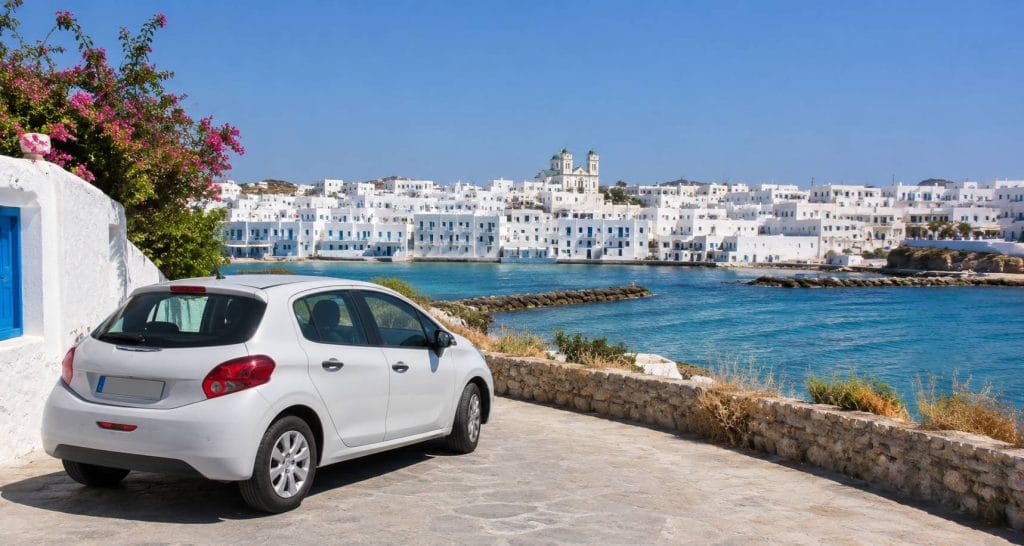
To visit other Byzantine churches in Paros, since local public transportation is not very convenient, you can book your rental car online here if you do not have your own vehicle.